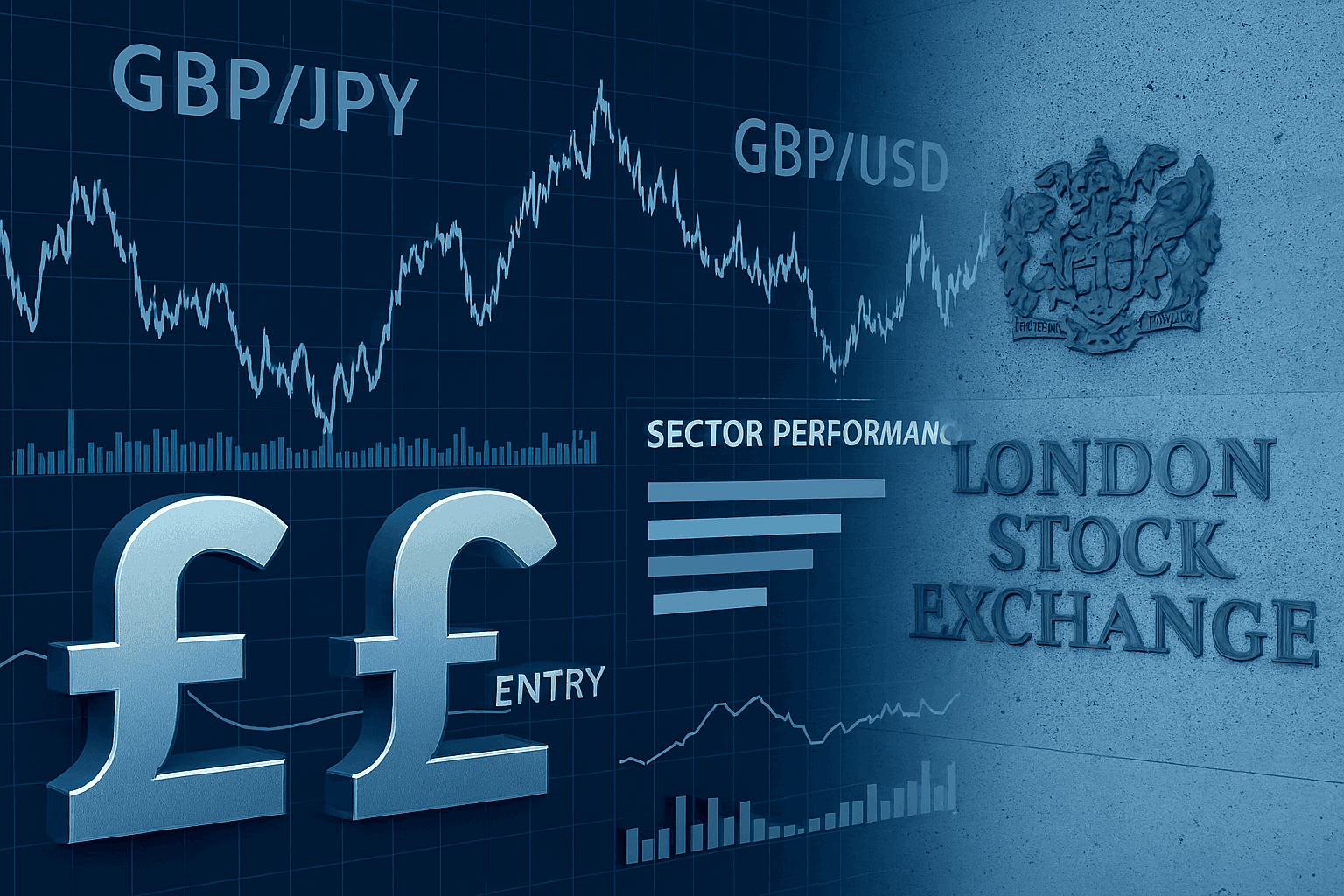
The correlation between LSE equity sectors and currency volatility is a key but often overlooked element in forex trading. The London Stock Exchange (LSE) is not only a barometer of the UK’s economic health but also an indirect driver of currency market volatility. While forex traders often focus on macroeconomic data, central bank announcements, or geopolitical headlines, the performance of equity sectors within the LSE can offer equally valuable clues. Understanding how LSE equity sectors and currency volatility interact helps traders anticipate market moves more effectively and position themselves with greater confidence.
Why Equity Sectors Matter for Forex Traders
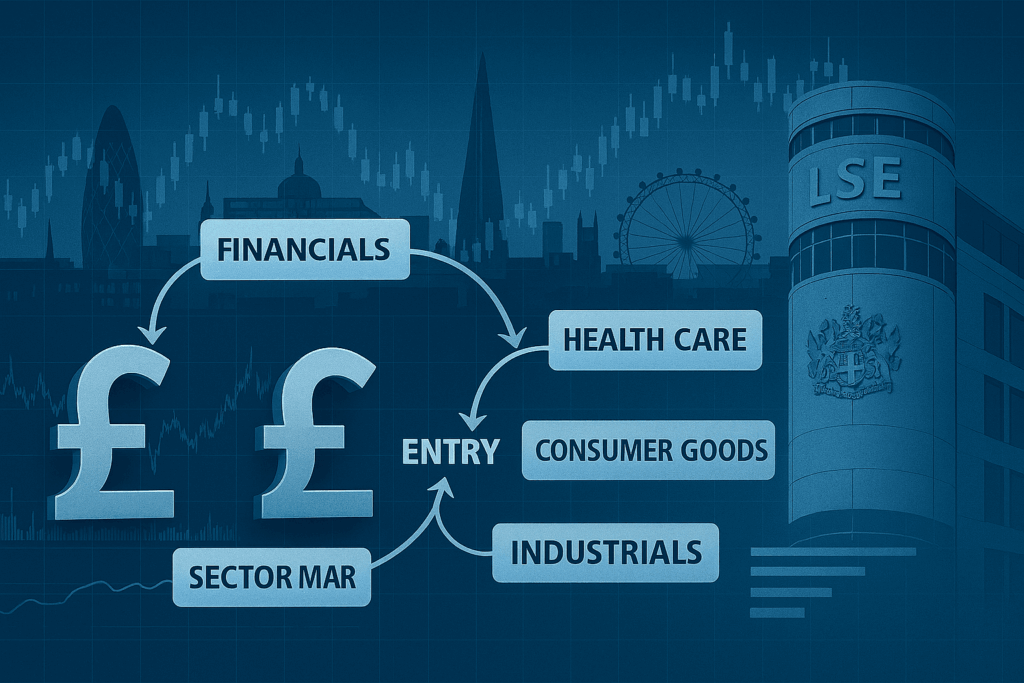
Currencies and equities are fundamentally linked because both reflect expectations about an economy’s future performance. When certain sectors outperform or underperform, it signals shifts in economic sentiment, trade flows, and risk appetite all of which spill over into the currency markets. For GBP pairs, the LSE is particularly influential since London is one of the world’s leading financial hubs.
By monitoring the correlation between sector movements and currency volatility, traders can avoid being blindsided by sudden swings. Let’s break down the most influential sectors and their typical impact on the pound.
Banking and Financials: The Policy Signal
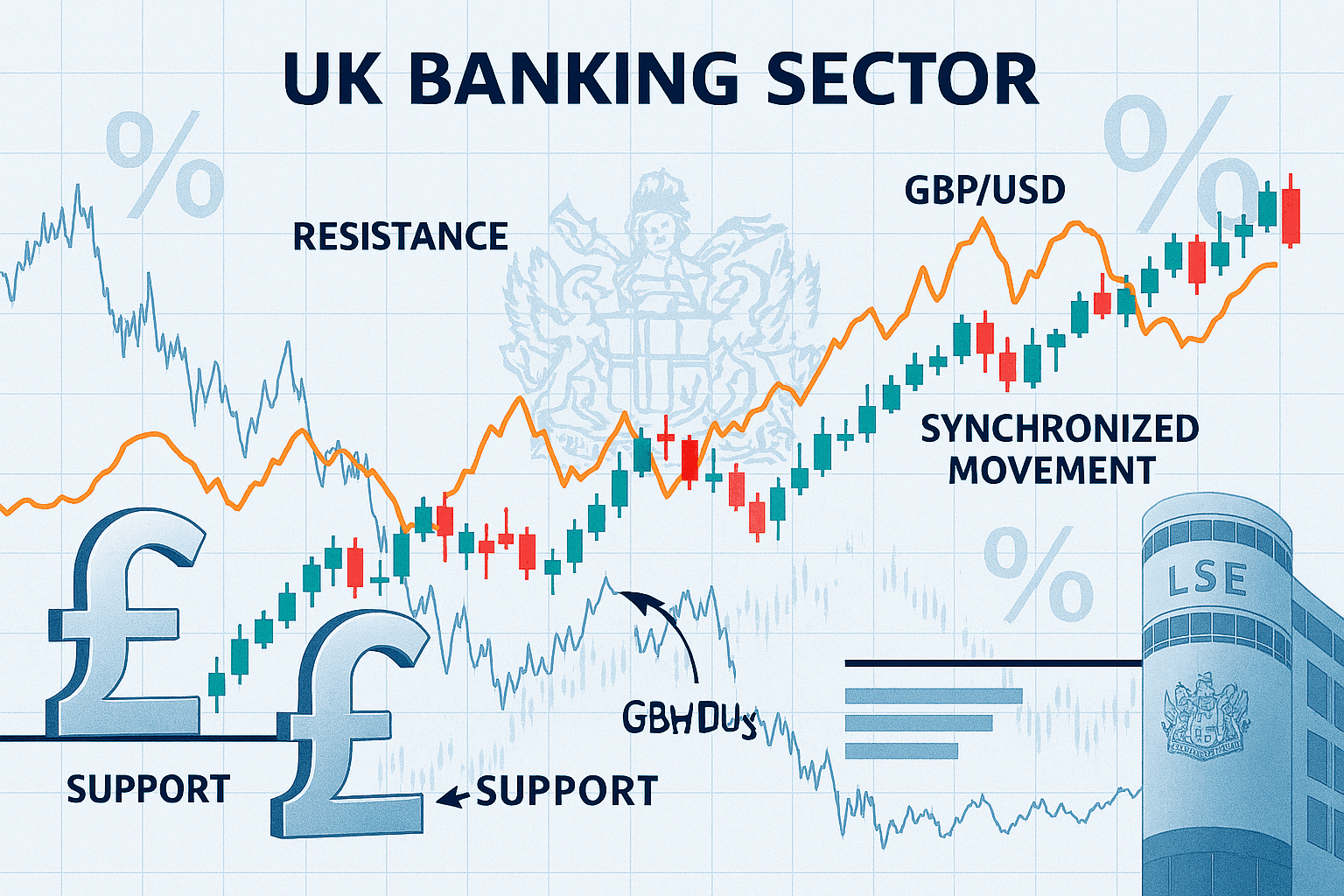
The financial sector is perhaps the most directly connected to GBP performance. Banks, insurers, and asset managers listed on the LSE are deeply intertwined with expectations around interest rates, credit conditions, and overall monetary policy.
- Positive correlation: Strong earnings from banks or upbeat sector performance often boosts confidence in the UK economy, supporting the pound.
- Negative correlation: Weak results, stress tests, or liquidity concerns can undermine GBP quickly, as markets interpret sector struggles as broader economic vulnerability.
In practice, forex traders often see GBP/USD volatility spike when financial stocks lead sector moves, particularly around quarterly earnings reports.
Energy and Commodities: Trade Balance Pressure
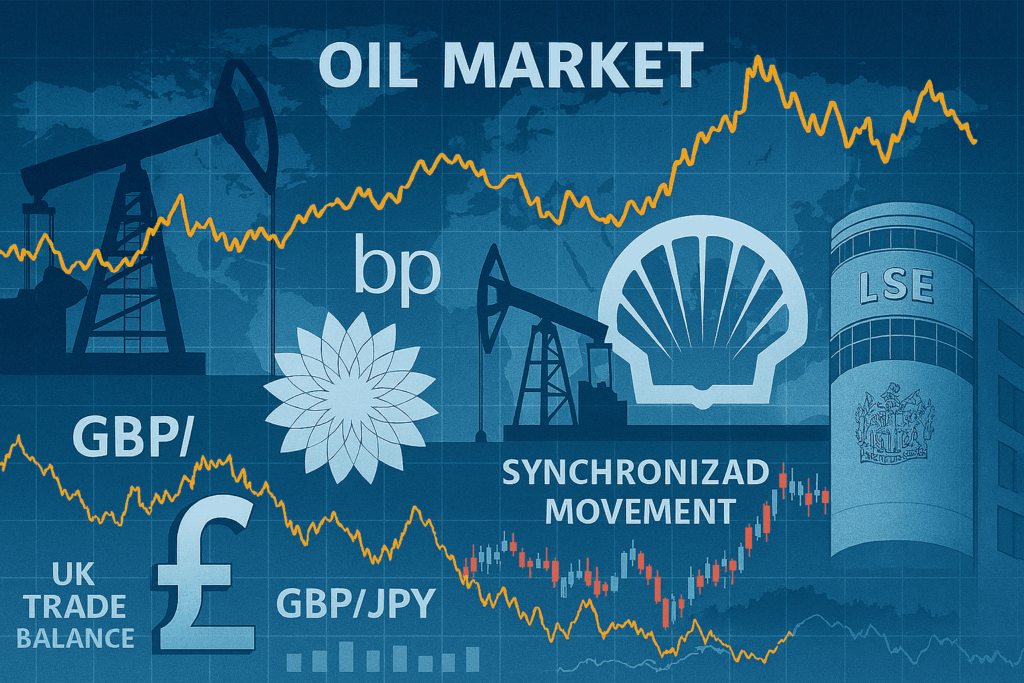
The UK is a net energy importer, so movements in the energy sector carry significant implications for the currency. Oil and gas companies on the LSE respond directly to fluctuations in global energy markets.
- When energy stocks surge due to higher oil prices, GBP pairs may experience volatility as the UK’s trade deficit comes into sharper focus.
- On the other hand, a fall in energy prices can ease pressure on imports, which sometimes translates into GBP strength.
This sector is especially relevant for GBP/JPY and GBP/USD traders, where risk sentiment and oil-linked flows intersect.
Technology and Growth Sectors: The Risk Sentiment Gauge
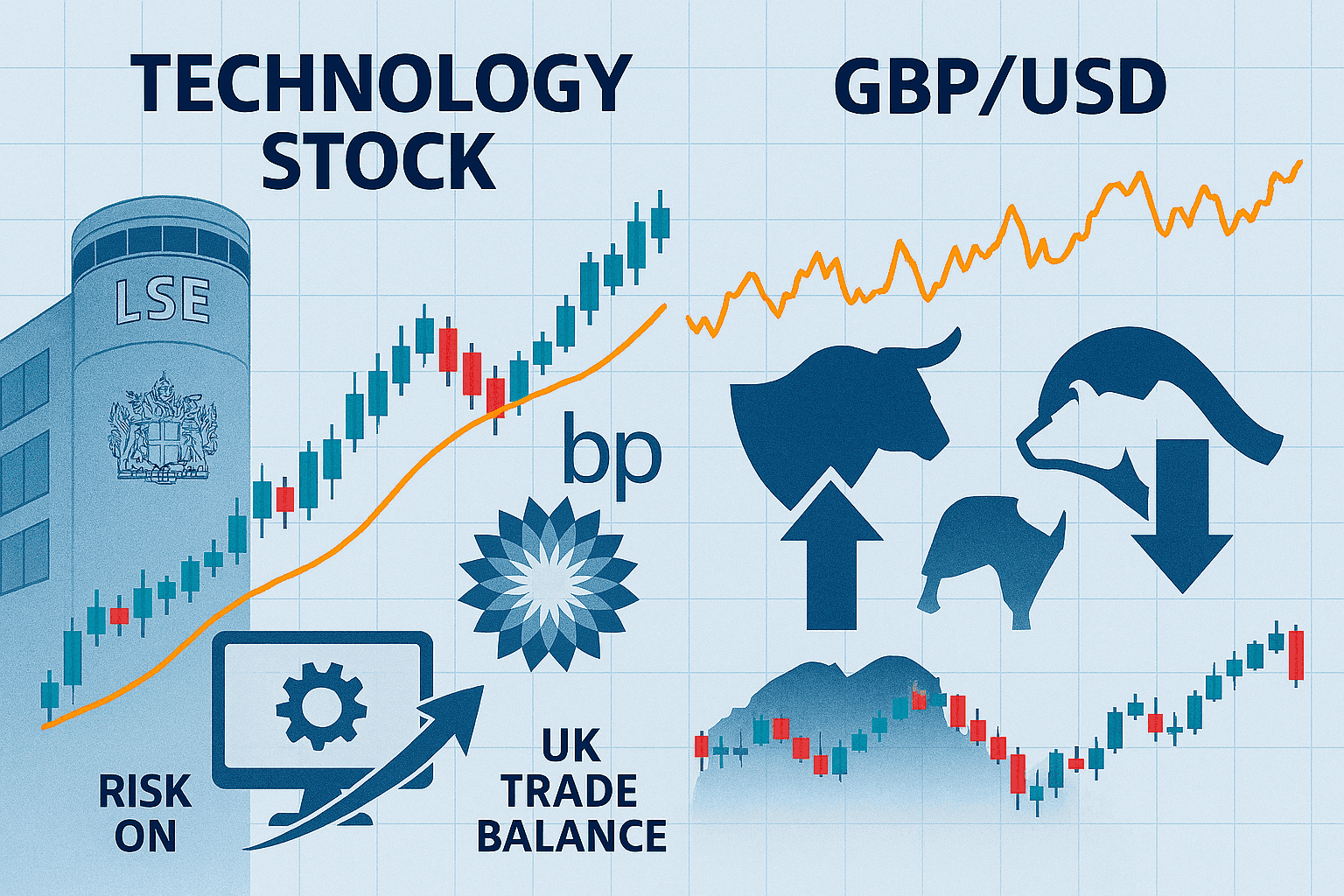
The technology sector, though smaller in the LSE compared to the US, still plays an important role in gauging risk appetite. High-growth stocks are sensitive to global equity trends, interest rate expectations, and investor confidence.
When tech shares rally, markets often interpret it as a sign of optimism, supporting risk-on behavior. In such environments, traders may favor GBP over safe-haven currencies like USD, CHF, or JPY. Conversely, when growth stocks tumble, volatility rises in GBP pairs as investors rotate toward safer assets.
Defensive Sectors: Health Care and Consumer Staples
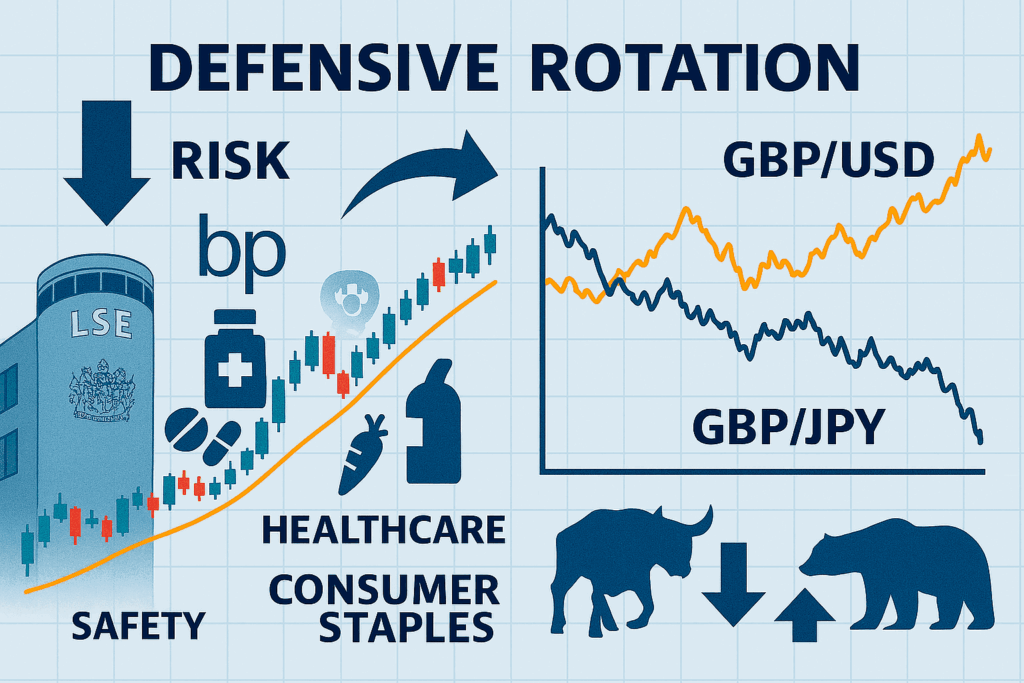
Defensive sectors such as health care, utilities, and consumer staples tend to attract capital in times of uncertainty. Their outperformance often coincides with weaker risk sentiment, which can reduce GBP demand in favor of safer currencies. For forex traders, monitoring these rotations provides subtle but valuable clues about where sentiment is heading before it fully appears in FX price action.
Practical Takeaways for FX Traders
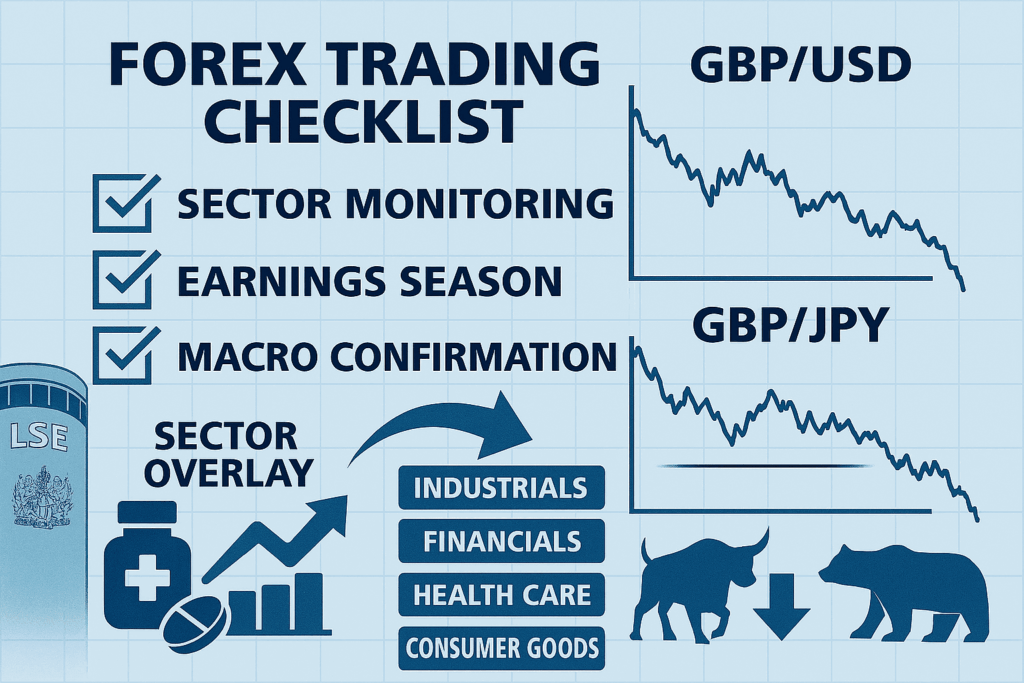
- Track sector performance daily: Monitoring LSE sector indices alongside GBP pairs helps spot hidden correlations.
- Align setups with sector rotations: For example, a strong rally in financials could be an early signal to favor GBP long setups.
- Be cautious during sector earnings season: Earnings releases in banking, energy, and commodities often lead to short bursts of volatility in GBP/USD and GBP/JPY.
- Combine with macro data: Always confirm sector-driven signals with macroeconomic context e.g., a rally in banks during a dovish Bank of England cycle might still fail to sustain GBP strength.
Conclusion
The LSE is not just a stock market, it’s a lens through which forex traders can gauge currency volatility. Each sector tells a different story: financials reflect monetary policy expectations, energy highlights trade pressures, technology signals risk appetite, and defensive sectors reveal shifts in investor sentiment. By recognizing these correlations, traders move beyond isolated chart watching and gain an edge in anticipating GBP swings.
For those trading pound pairs, ignoring LSE sector performance means missing a critical piece of the puzzle. The equity-currency link is real, and tapping into it can make the difference between reacting late and positioning early.