The GBP/EUR currency pair is one of the most actively traded in the world, reflecting the deep economic, financial, and political ties between the United Kingdom and the Eurozone. For traders, the “Pound vs Euro” relationship offers unique opportunities but also presents challenges, as it is often influenced by a web of interlinked factors. Understanding GBP/EUR trends and what drives these movements can give traders an edge in anticipating price shifts and adapting strategies.
1. Economic Data Releases on Both Sides
Key indicators such as GDP growth, inflation, employment data, and consumer sentiment can drive intraday and longer-term moves in GBP/EUR. For example, higher-than-expected inflation in the UK can strengthen the Pound if markets believe the Bank of England (BoE) will tighten policy. Conversely, robust Eurozone growth data particularly from economic heavyweights like Germany and France can provide support for the Euro.
Traders often monitor back-to-back releases, comparing relative performance. If UK data consistently beats expectations while Eurozone data underperforms, GBP/EUR may trend higher, and vice versa.
2. Central Bank Divergence
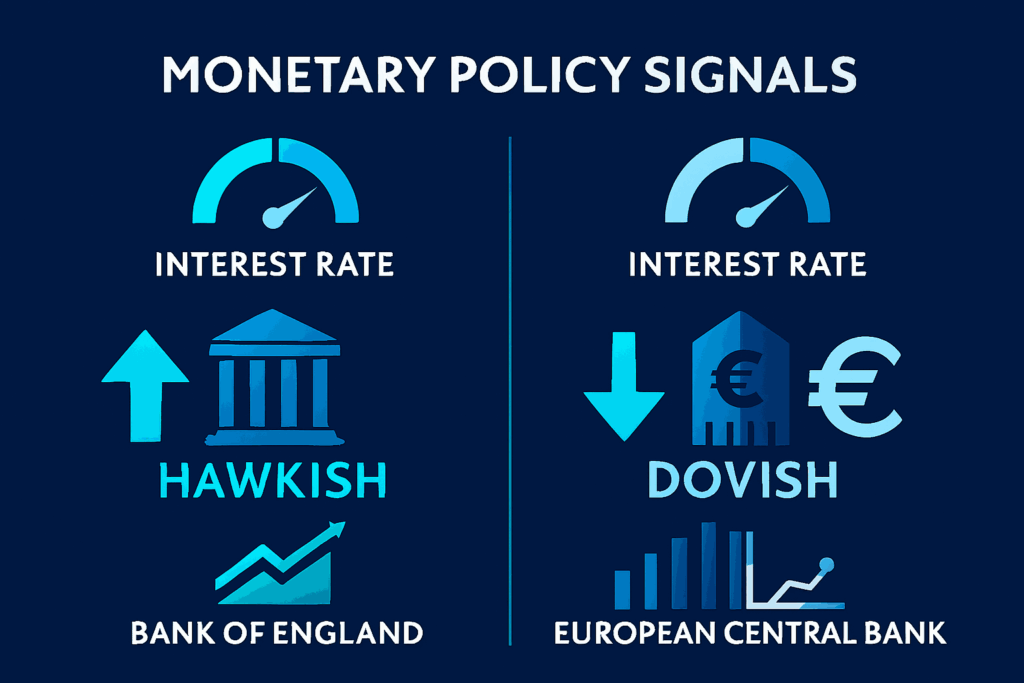
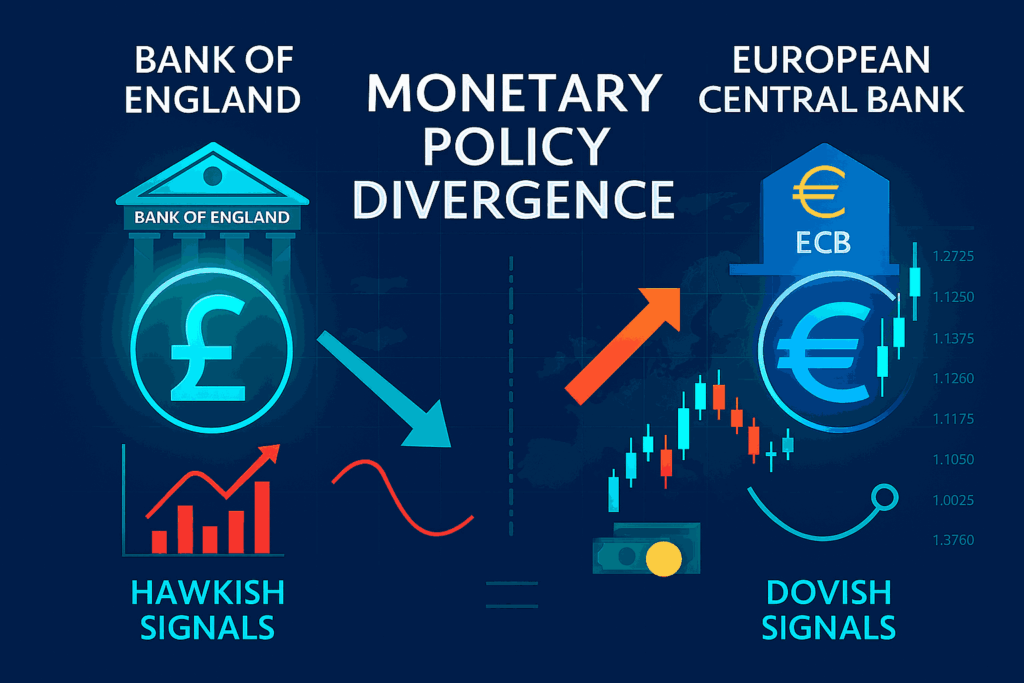
The policy stances of the BoE and the European Central Bank (ECB) are pivotal drivers. If the BoE is more hawkish signaling higher interest rates or longer periods of tight policy the Pound typically gains. On the other hand, if the ECB indicates stronger inflation-fighting measures while the BoE sounds cautious, the Euro often takes the upper hand.
The subtle nuances of central bank communications press conferences, voting splits, or surprise commentary can all shift sentiment rapidly in GBP/EUR.
3. Political Developments
While Brexit was the defining political driver of GBP/EUR in recent years, politics continues to matter. Trade negotiations, fiscal policy debates, and regional tensions in Europe can all sway the pair. For instance, uncertainty over UK fiscal discipline can weaken the Pound, while political instability in countries like Italy or France can undermine the Euro.
Investors often seek relative stability, so when political risks mount more heavily on one side, the currency pair reflects this imbalance.
4. Energy Prices and External Shocks
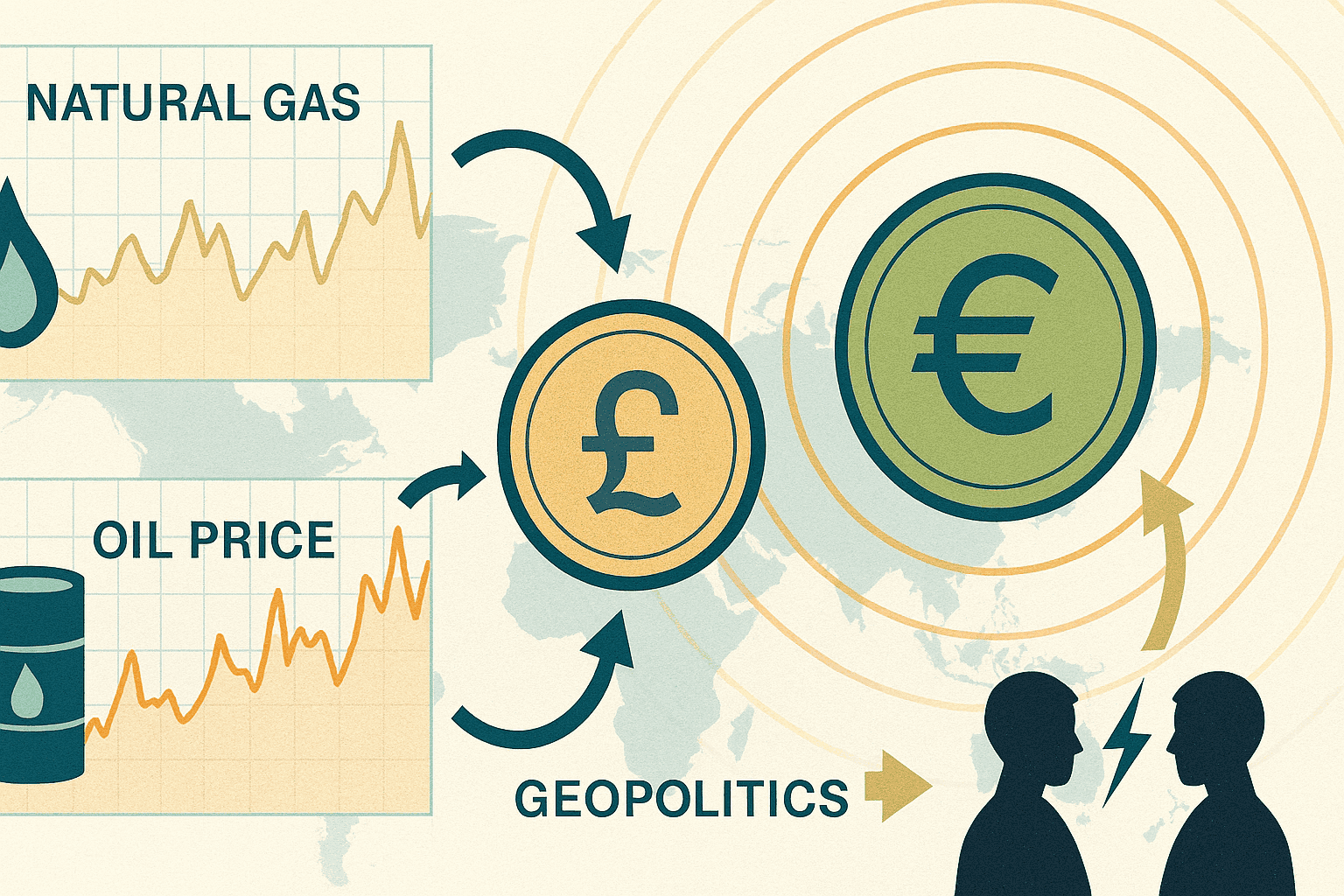
The UK and Eurozone economies are both highly sensitive to energy costs. Surges in natural gas or oil prices can disproportionately impact the Eurozone due to its energy dependence, often weakening the Euro. Conversely, periods of falling energy costs can provide relief to both economies, though the relative benefit may shift based on import dynamics.
Broader global shocks such as geopolitical tensions, pandemics, or supply chain disruptions can also amplify GBP/EUR volatility.
5. Market Sentiment and Risk Appetite
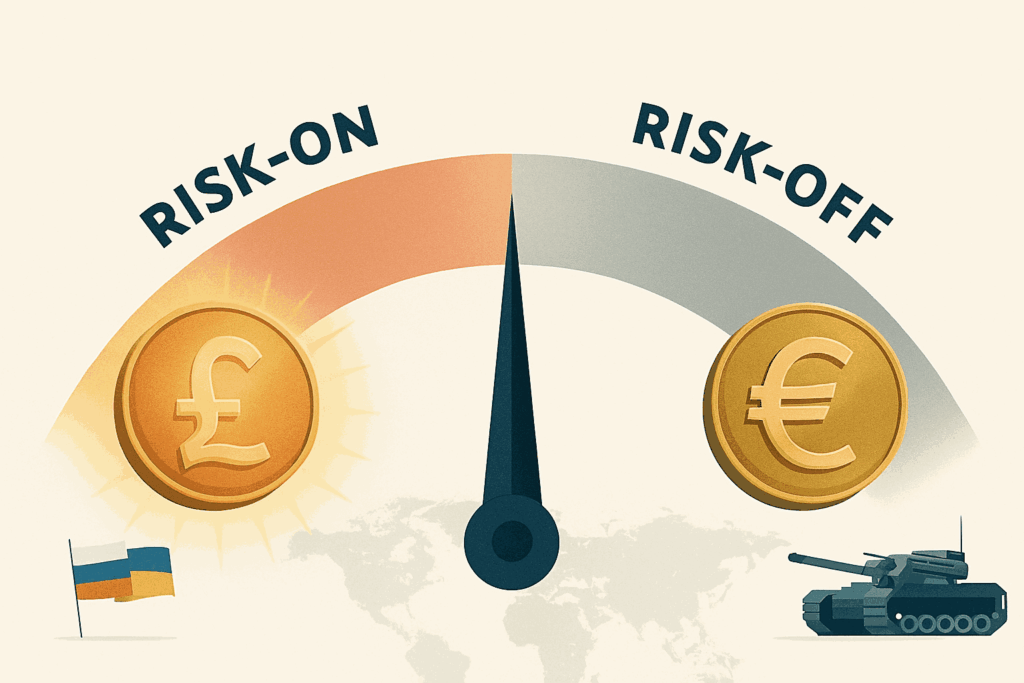
As a regional pair, GBP/EUR is less tied to global safe-haven flows than GBP/USD or EUR/USD, but market sentiment still plays a role. In risk-off environments, investors may favor the Euro’s broader stability, while in risk-on periods, the Pound’s relative growth prospects can shine. Short-term positioning, speculative flows, and stop-hunting behavior often exaggerate these moves.
6. Seasonal and Structural Factors
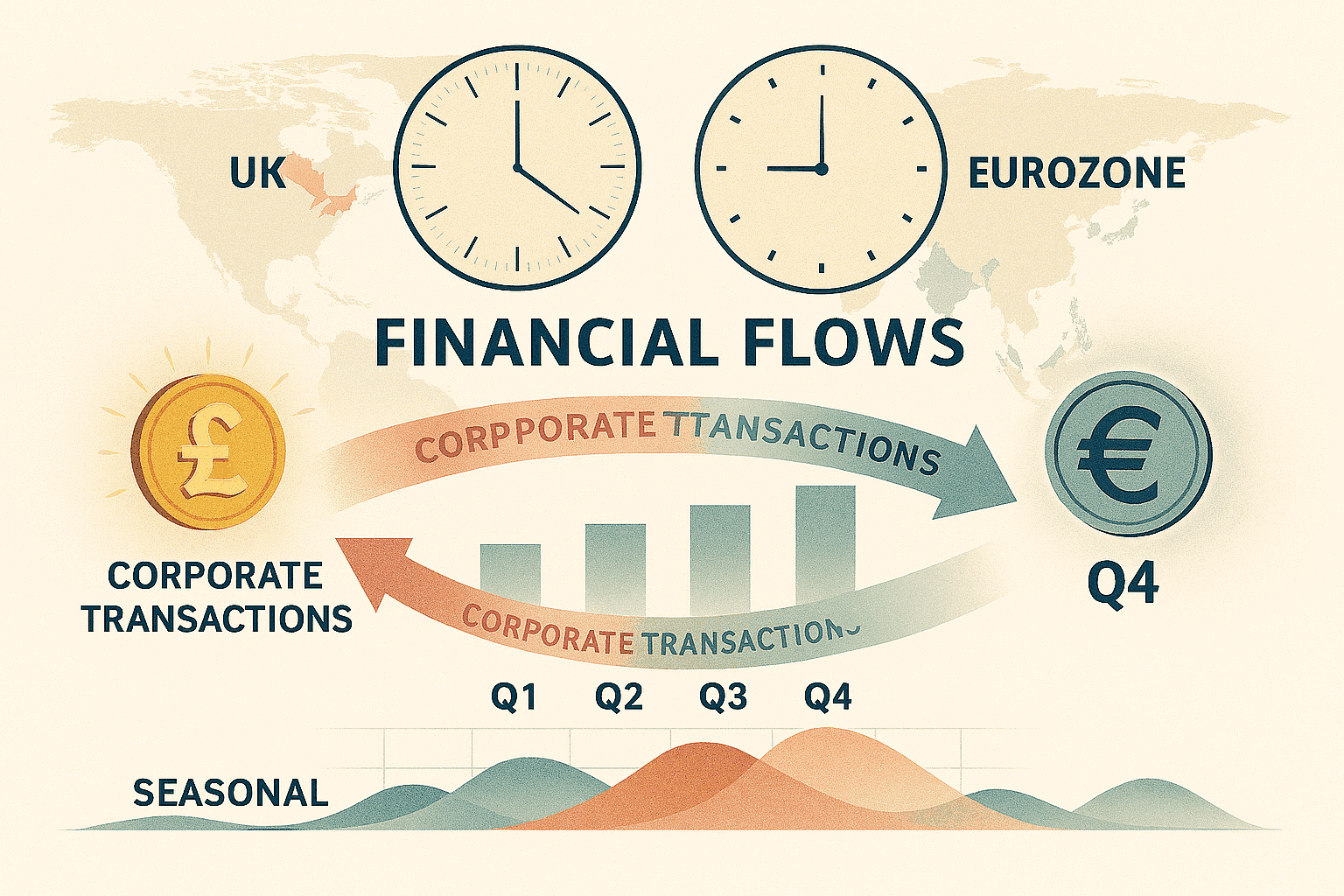
Quarterly corporate flows, particularly from UK and Eurozone multinationals, can shape demand for GBP or EUR. Additionally, the London trading session which overlaps heavily with Europe tends to produce the most volume and volatility for this pair.
Conclusion
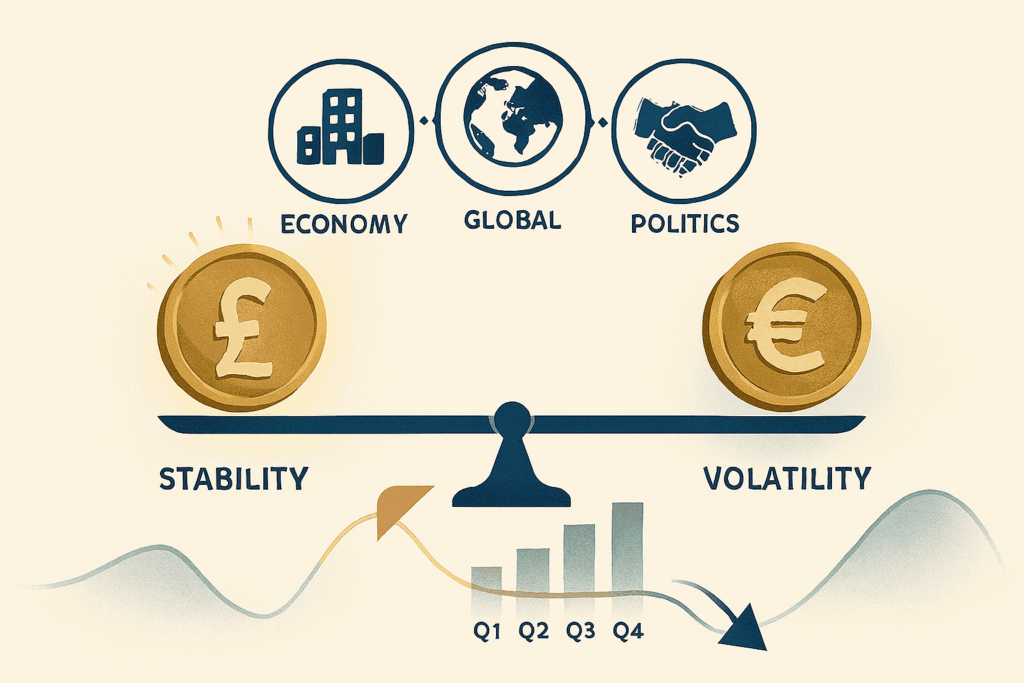
The GBP/EUR pair is shaped by a delicate balance of economic fundamentals, central bank divergence, political shifts, and broader market sentiment. For traders, the key lies not in isolating one factor, but in tracking how these drivers interact in real time. By keeping an eye on relative performance whether in data releases, monetary policy, or political risk market participants can better anticipate where the Pound and Euro are heading next across the Channel.