
The GBP/JPY, nicknamed the “Dragon Pair,” is one of the most volatile and liquid currency pairs in the forex market. GBP/JPY volatility reflects the blend of Sterling’s sensitivity to UK and European developments with the Yen’s role as a global funding and safe-haven currency. This combination often delivers large intraday swings. Through the lens of London the world’s largest FX trading hub the GBP/JPY offers unique opportunities and risks that traders must respect.
Why GBP/JPY Is So Volatile

Unlike some other pairs, GBP/JPY marries two currencies that naturally swing with different forces:
- GBP: Driven by UK monetary policy, growth outlook, inflation trends, and political headlines.
- JPY: Highly sensitive to global risk sentiment, interest rate differentials, and Bank of Japan (BoJ) interventions.
This combination creates outsized moves when both sides of the pair experience catalysts simultaneously. For instance, a dovish BoE shift alongside a global risk-off environment can send GBP/JPY plunging in a matter of hours.
London’s Role in the Dragon Pair

As the largest global hub, London accounts for nearly 40% of daily FX turnover. GBP/JPY liquidity is particularly strong during London hours because:
- GBP’s Home Session: Sterling naturally sees its heaviest flows during the UK business day, with institutions, corporates, and hedge funds driving volume.
- Cross-Regional Overlap: London sits between Asia and New York, meaning GBP/JPY trades can react to Japanese developments in the morning and U.S. catalysts in the afternoon.
- Fixing and Hedging Flows: The 4pm London fix often brings spikes in GBP/JPY volatility as asset managers adjust currency exposures.
This makes London trading hours especially critical for short-term traders looking to capture volatility in the pair.
Central Bank Divergence
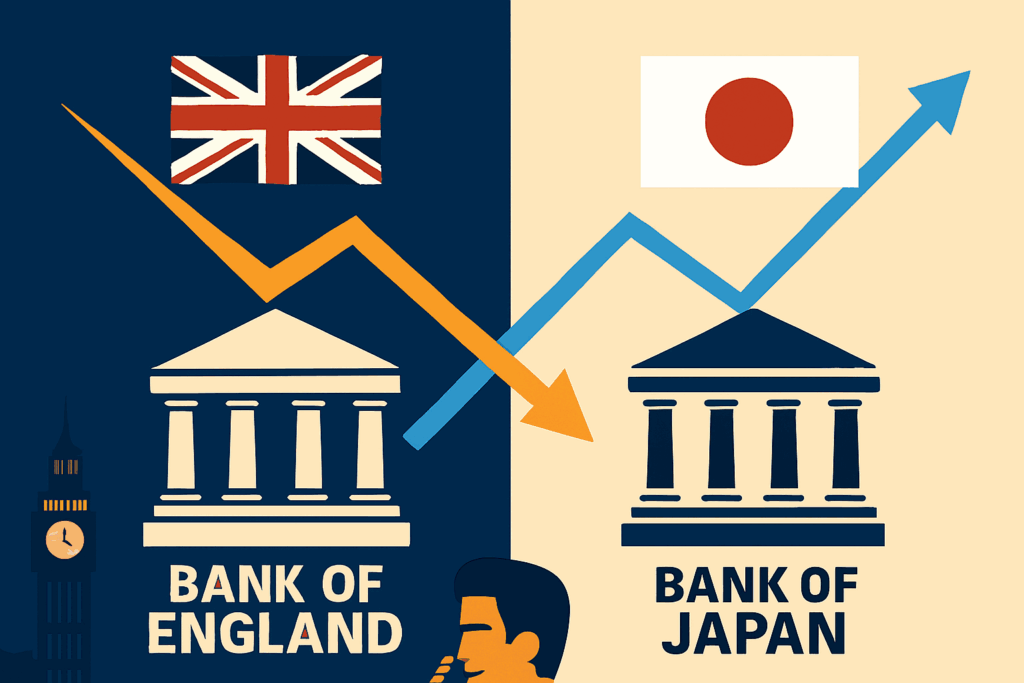
The Bank of England and the Bank of Japan rarely move in sync, and this divergence is at the heart of GBP/JPY’s appeal.
- BoE: Focused on balancing inflation control with sluggish UK growth. Even modest hawkish surprises can strengthen Sterling significantly.
- BoJ: Still highly accommodative, though recent speculation about exiting ultra-loose policy has sparked Yen rallies. Any hints of policy normalization create huge moves in JPY crosses.
In 2025, the policy contrast remains stark, which means GBP/JPY could swing widely as traders reprice expectations around both banks.
Risk Sentiment and Safe-Haven Dynamics

The Yen remains the ultimate safe-haven currency. When markets turn risk-off whether due to equity selloffs, geopolitical shocks, or global financial stress the Yen tends to surge, dragging GBP/JPY lower. Conversely, in risk-on periods, investors often borrow JPY cheaply to fund higher-yielding positions, fueling rallies in the pair.
For traders, monitoring risk sentiment indicators such as equity futures, VIX levels, and credit spreads is essential to navigating GBP/JPY.
Technical Landscape
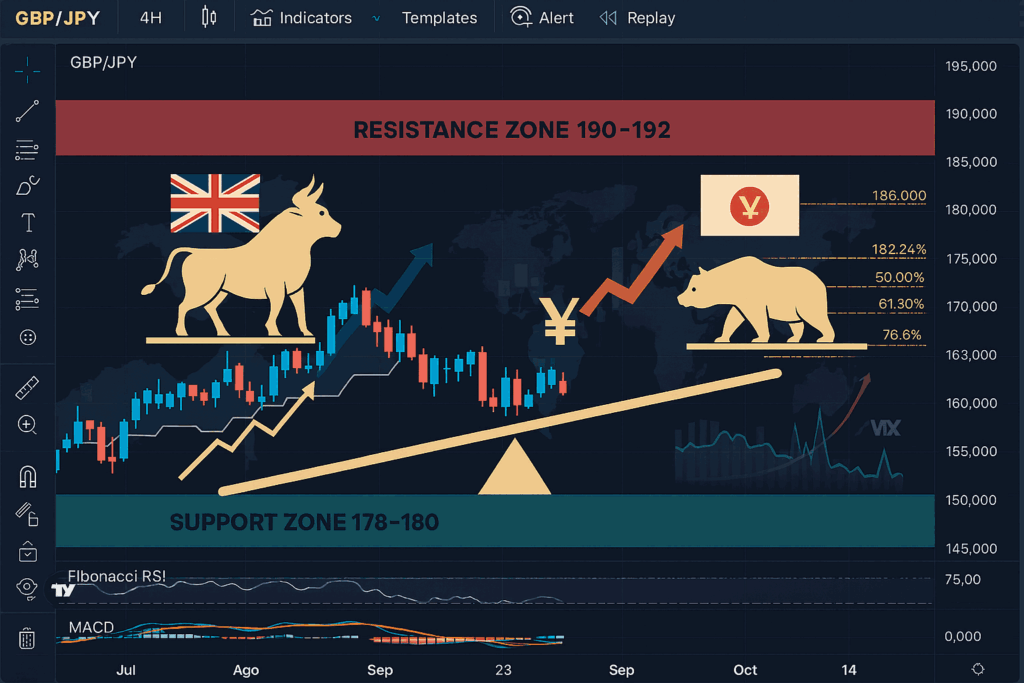
From a technical standpoint, GBP/JPY is often rangebound until a catalyst ignites momentum:
- Key Resistance: 190.00–192.00 remains a major ceiling, tied to multi-year highs.
- Support Zone: 178.00–180.00 has acted as a reliable demand area, attracting dip buyers.
- Volatility Profile: Average daily ranges can exceed 150 pips, giving scalpers and swing traders ample opportunity.
Chart traders often combine Fibonacci retracements, Ichimoku clouds, and momentum oscillators to manage entries and exits in such a volatile pair.
Risks and Wildcards
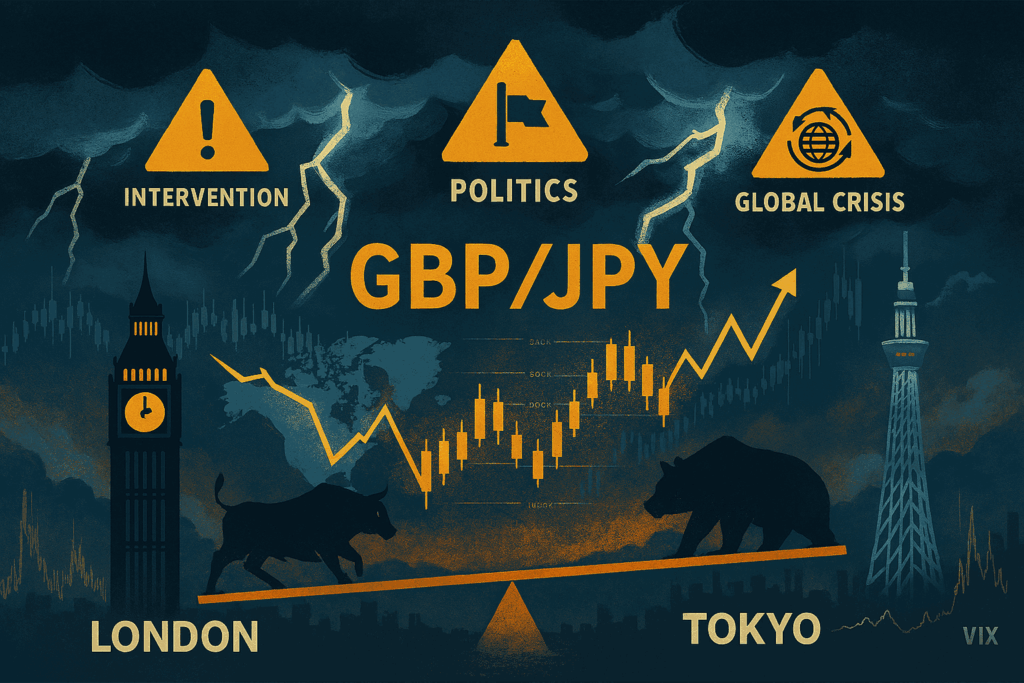
GBP/JPY is not for the faint of heart. Some risks traders must watch include:
- Sudden BoJ interventions – Tokyo has a history of direct currency market action.
- UK political turbulence – elections, fiscal policy disputes, or Brexit aftershocks.
- Global crises – any surge in safe-haven demand can spark violent Yen rallies.
Position sizing and risk control are especially critical when trading this pair.
Conclusion

Viewed through a London lens, GBP/JPY offers both exceptional opportunity and heightened danger. Its volatility stems from the clash of Sterling’s domestic drivers with the Yen’s global safe-haven status, amplified by London’s central role in FX liquidity.
In 2025, traders should expect more outsized swings as the BoE and BoJ pursue divergent paths and risk sentiment remains fragile. For disciplined traders with sound risk management, the Dragon Pair will continue to be one of the most exciting plays on the FX board. But without preparation, it can just as easily burn as it can reward.